A comprehensive guide to DevOps best practices, covering continuous integration, continuous deployment, infrastructure as code, and cloud-native architectures.
CI/CD Pipeline Implementation
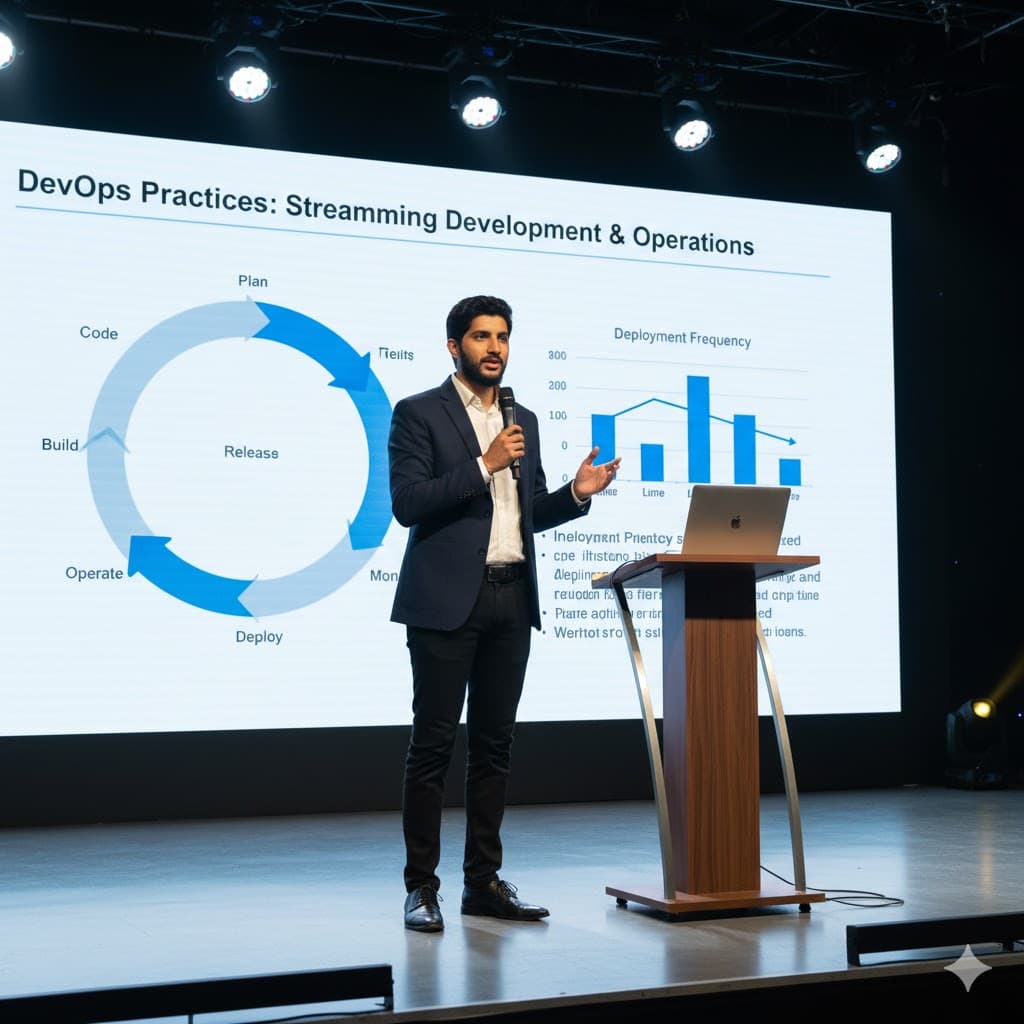
Continuous Integration and Continuous Deployment (CI/CD) pipelines automate the software delivery process, enabling teams to release code faster and more reliably. A well-designed pipeline includes automated testing, code quality checks, security scanning, and deployment automation. Every code commit triggers the pipeline, running tests and checks before merging. Successful builds automatically deploy to staging environments for further testing. Production deployments can be automated or require manual approval depending on risk tolerance. Tools like Jenkins, GitLab CI, and GitHub Actions enable teams to build sophisticated pipelines tailored to their needs. The result is faster delivery, fewer bugs, and more confident releases.
Infrastructure as Code Principles
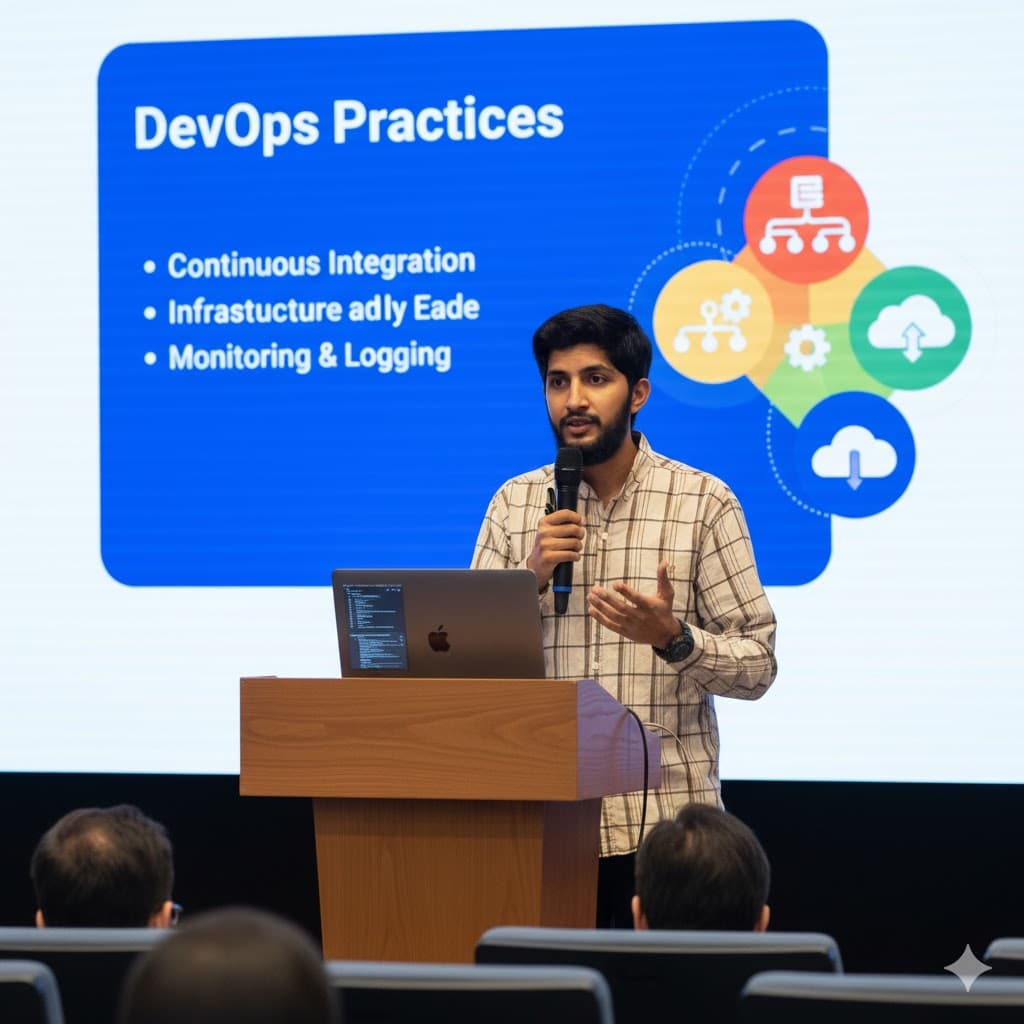
Infrastructure as Code (IaC) treats infrastructure configuration as software, enabling version control, testing, and automation. Tools like Terraform, CloudFormation, and Ansible define infrastructure in declarative configuration files. This approach ensures consistency across environments, eliminates configuration drift, and enables rapid environment provisioning. IaC makes disaster recovery straightforward—infrastructure can be recreated from code. Changes are reviewed through pull requests, providing visibility and preventing unauthorized modifications. Testing infrastructure changes before production deployment reduces risk. IaC is fundamental to modern DevOps practices, enabling the agility and reliability that businesses demand.
Monitoring and Observability
Effective monitoring and observability are essential for maintaining reliable systems. Monitoring tracks system health through metrics like CPU usage, memory consumption, and response times. Logging captures detailed information about system behavior and errors. Distributed tracing follows requests across microservices, identifying bottlenecks. Alerting notifies teams of issues before they impact users. Observability goes beyond monitoring, providing deep insights into system behavior and enabling rapid troubleshooting. Tools like Prometheus, Grafana, ELK Stack, and Datadog provide comprehensive monitoring solutions. Investing in observability pays dividends through faster incident resolution and improved system reliability.
Key Takeaways
- CI/CD pipelines automate testing and deployment, enabling faster, more reliable releases
- Infrastructure as Code ensures consistency and enables rapid environment provisioning
- Monitoring and observability are essential for maintaining system reliability
- Automation reduces human error and frees teams to focus on high-value work
- DevOps culture emphasizes collaboration, continuous improvement, and shared responsibility
Conclusion
DevOps best practices transform how organizations build, deploy, and maintain software. By implementing CI/CD pipelines, adopting Infrastructure as Code, and investing in monitoring and observability, teams can deliver software faster while maintaining high quality and reliability. The cultural shift toward collaboration and shared responsibility is equally important as the technical practices. Organizations that embrace DevOps principles gain competitive advantages through faster time-to-market, improved reliability, and more efficient operations.